Innovation, Technology, and the Business of Arbitration
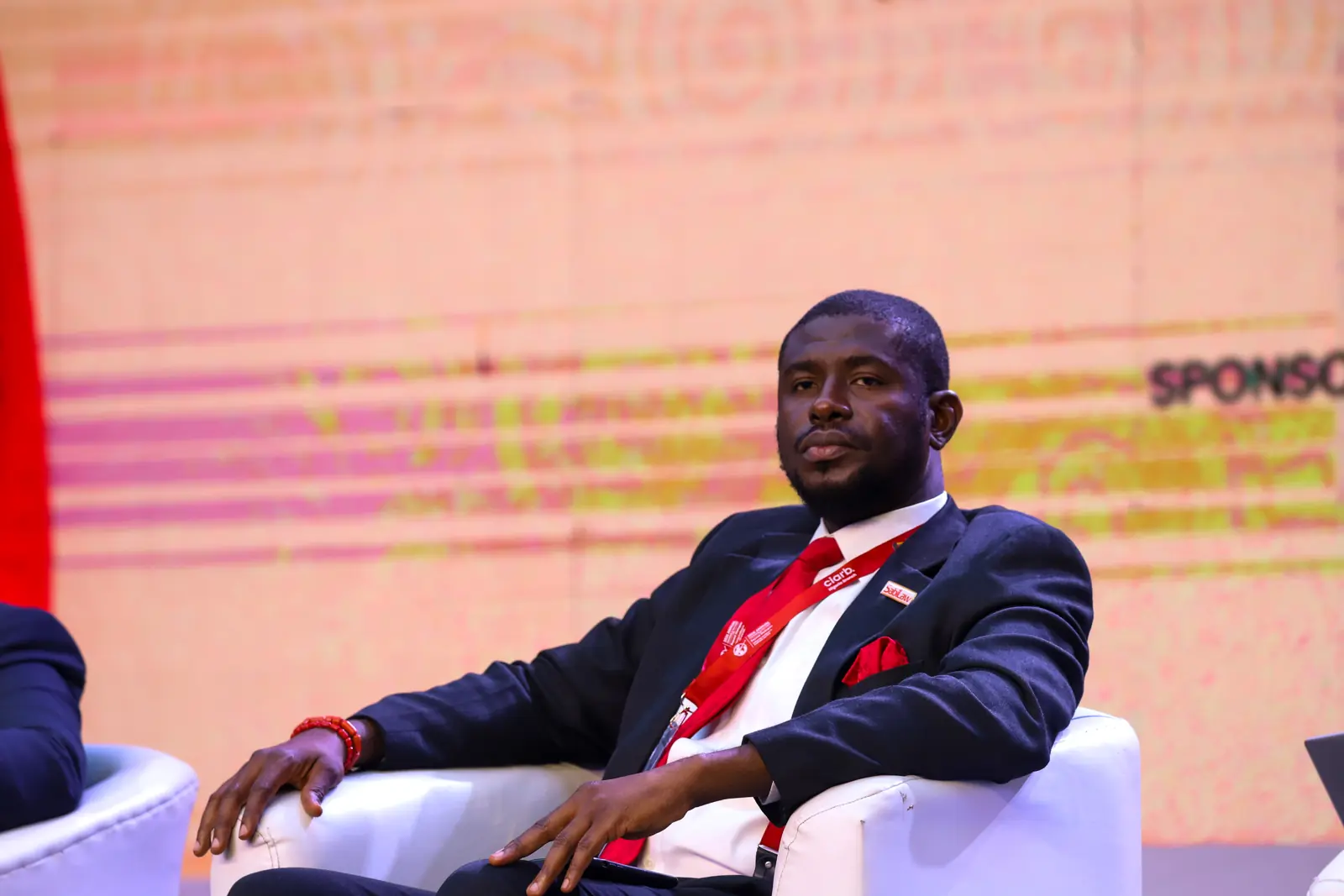
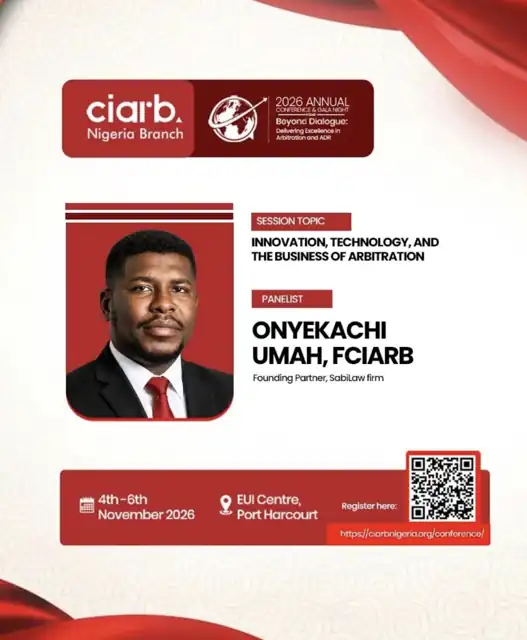
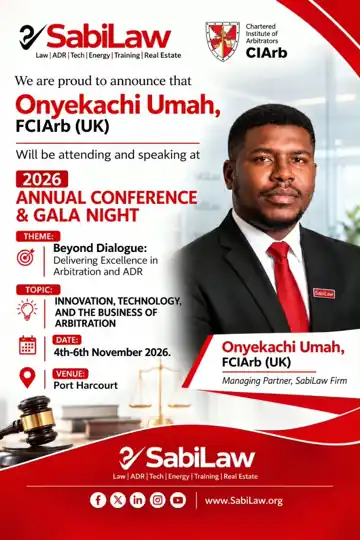
Onyekachi Umah, FCIArb (UK), Managing Partner, SabiLaw Firm and Executive Director, SabiLaw Academy, spoke as a panellist at the Chartered Institute of Arbitrators (CIArb) Nigeria Branch 2026 Annual Conference & Gala Night.

Overview
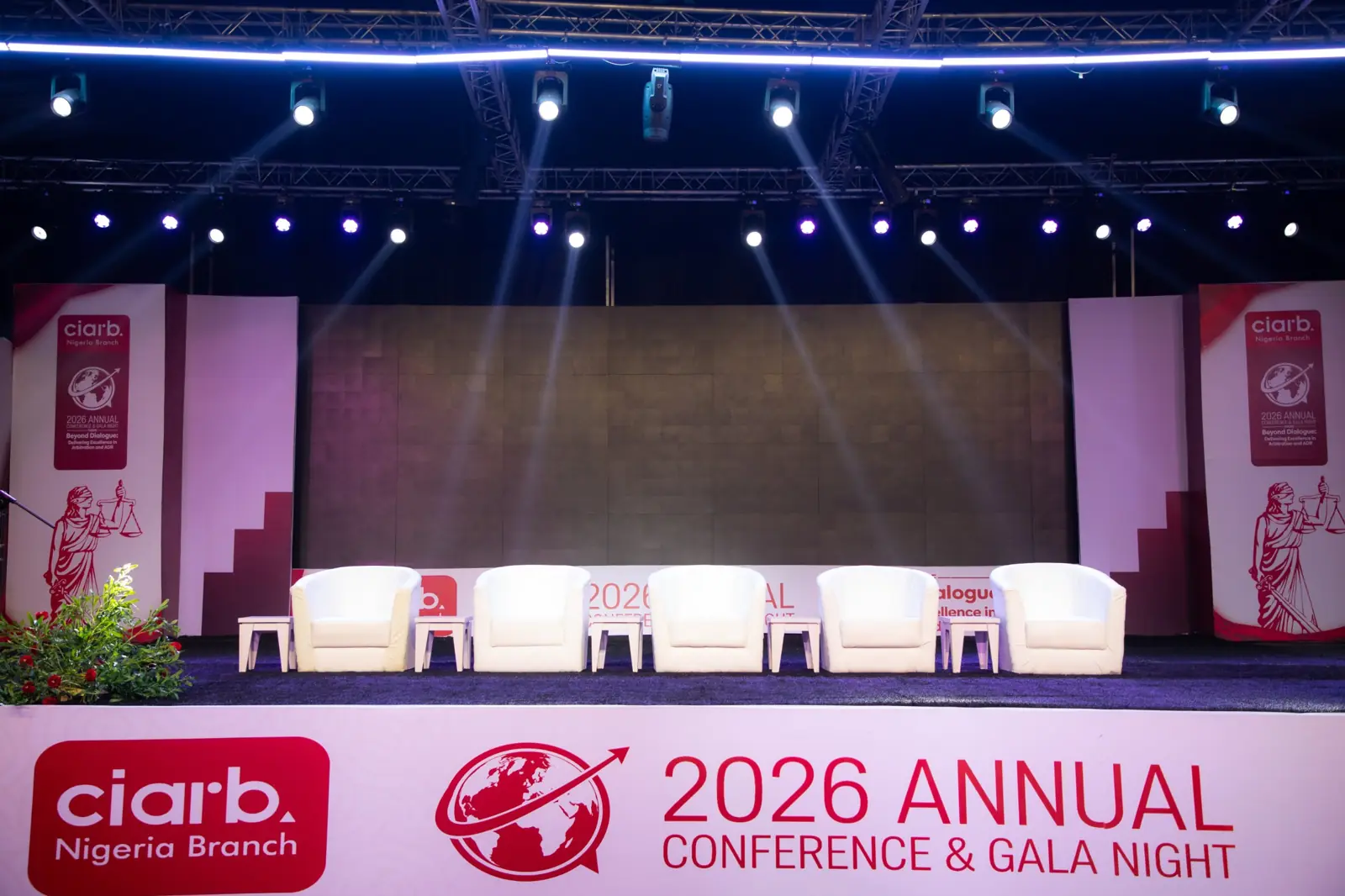
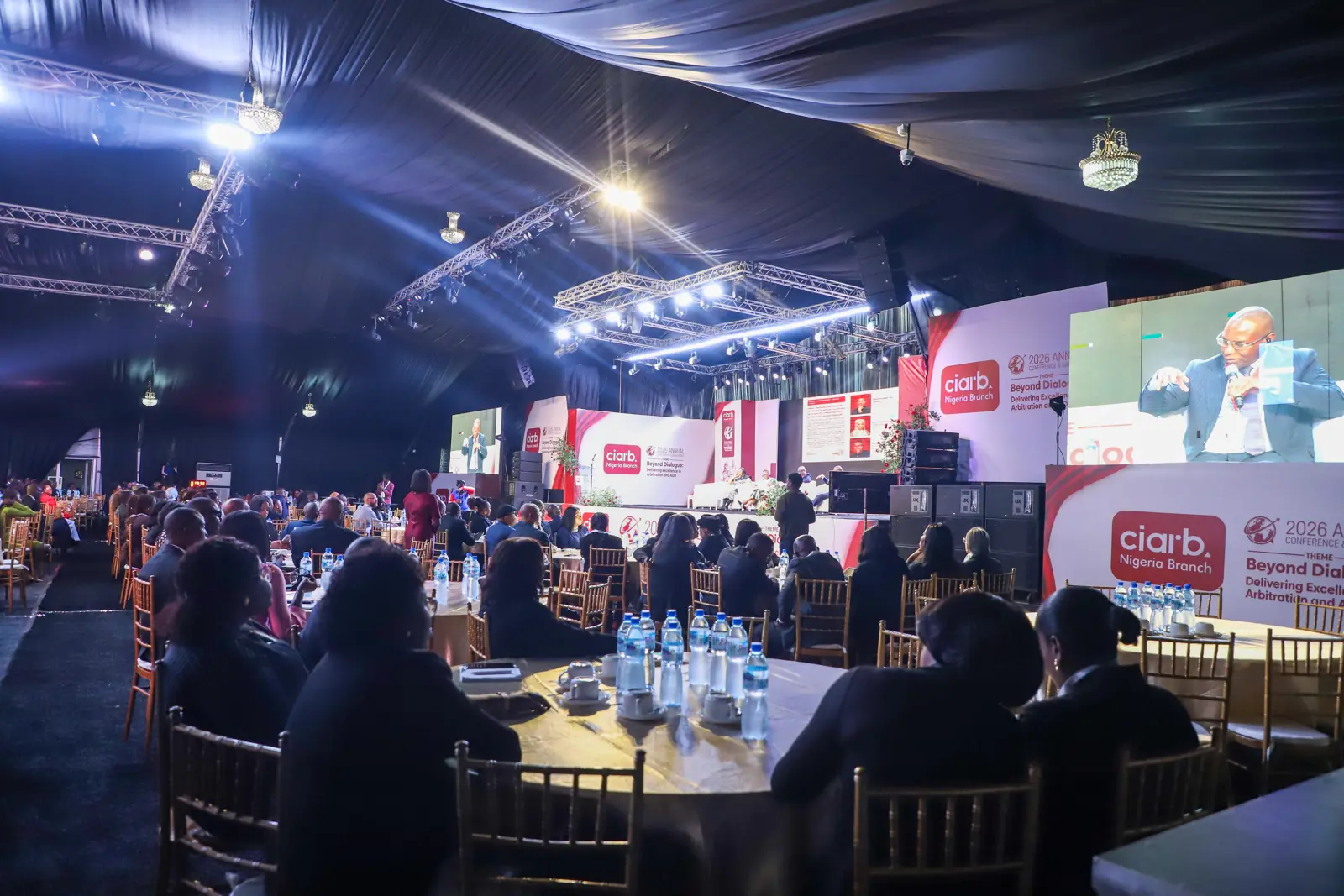
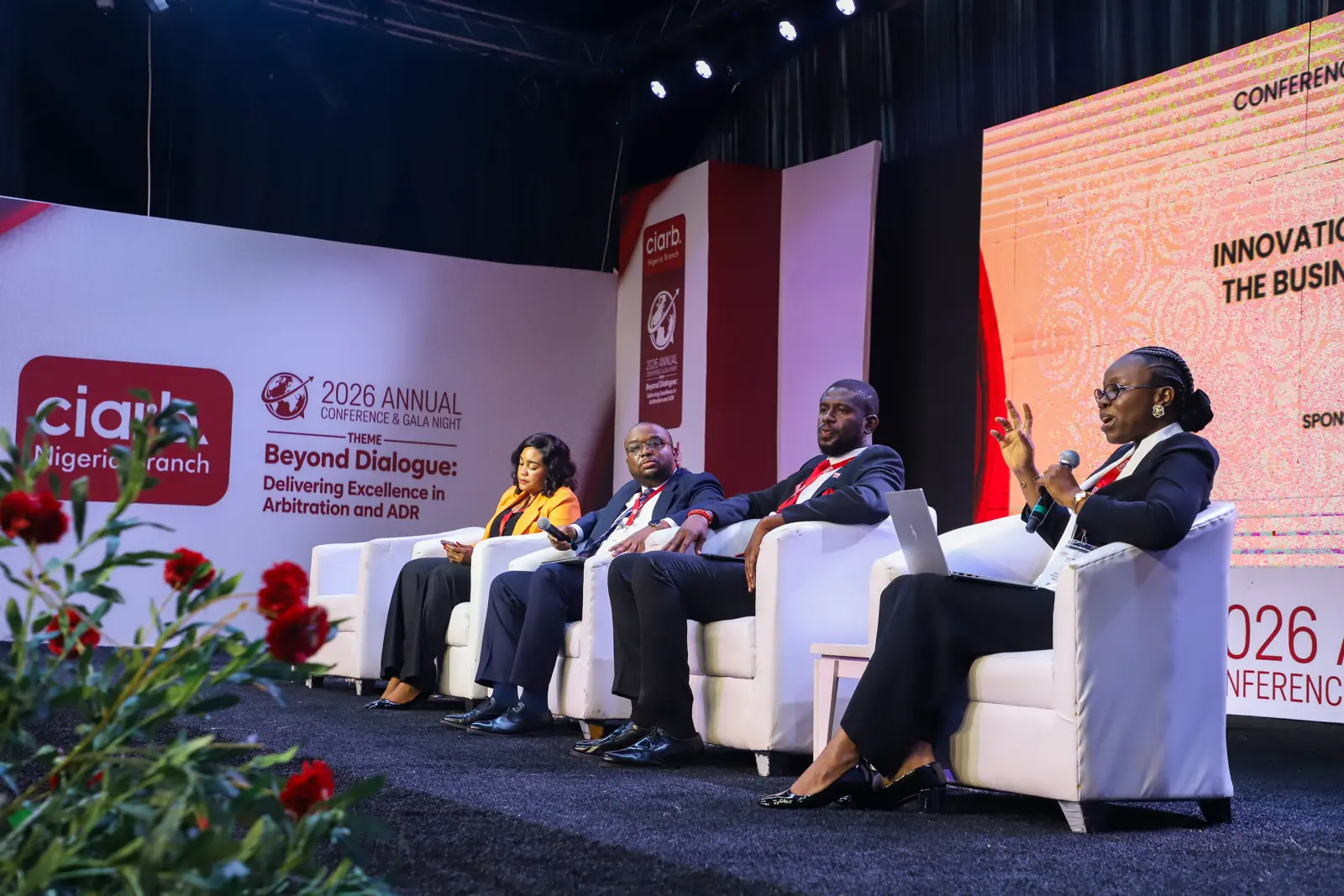
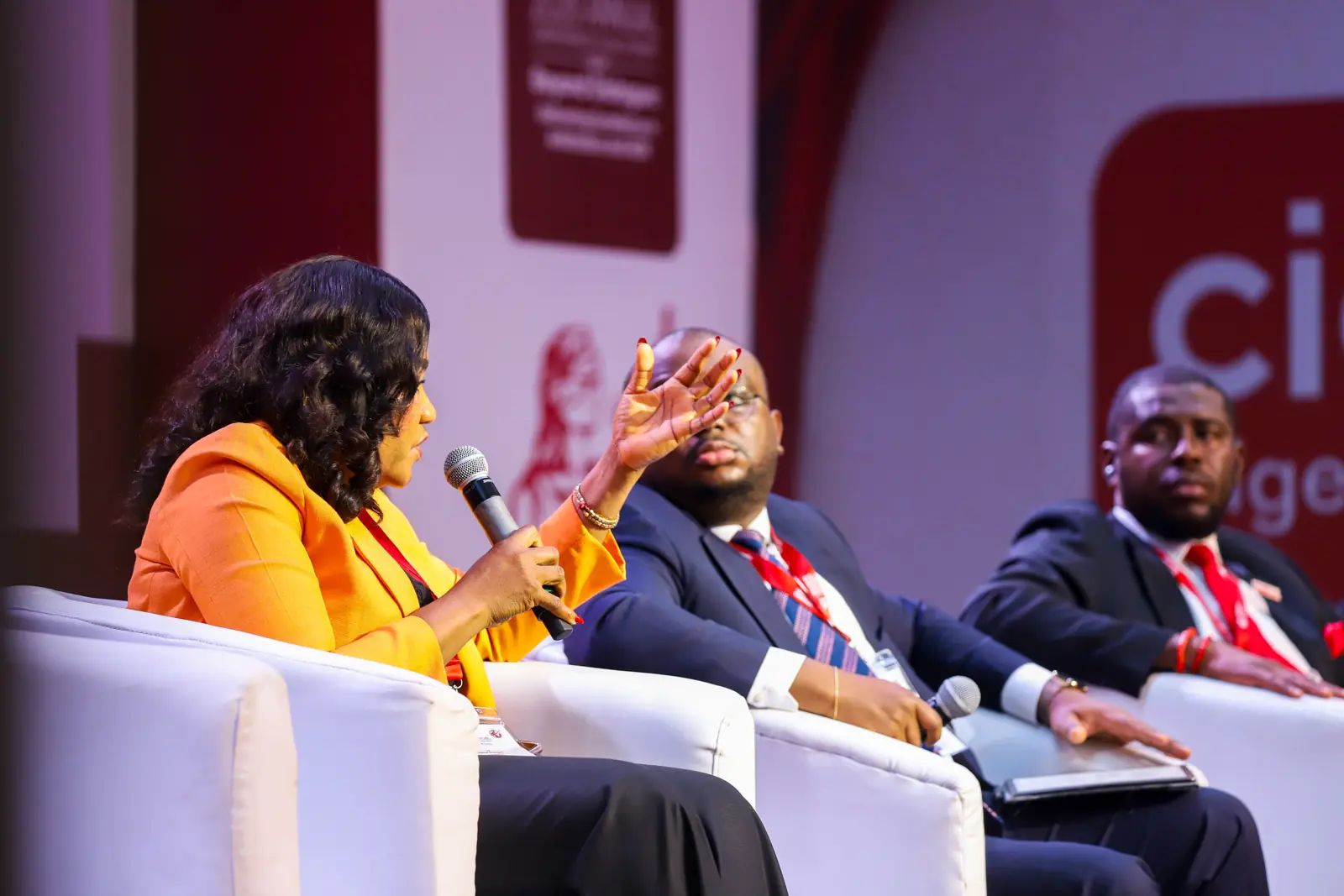
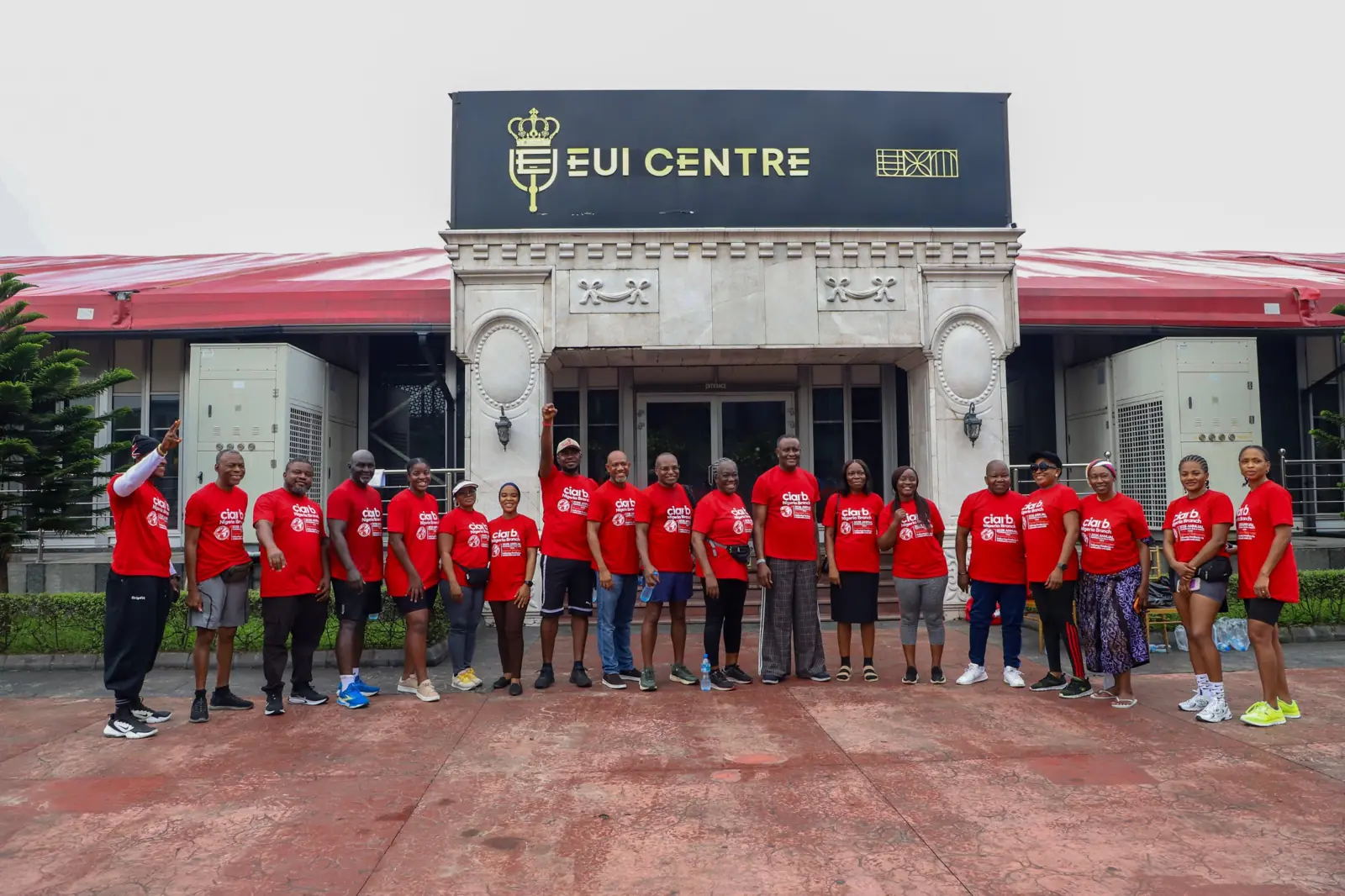
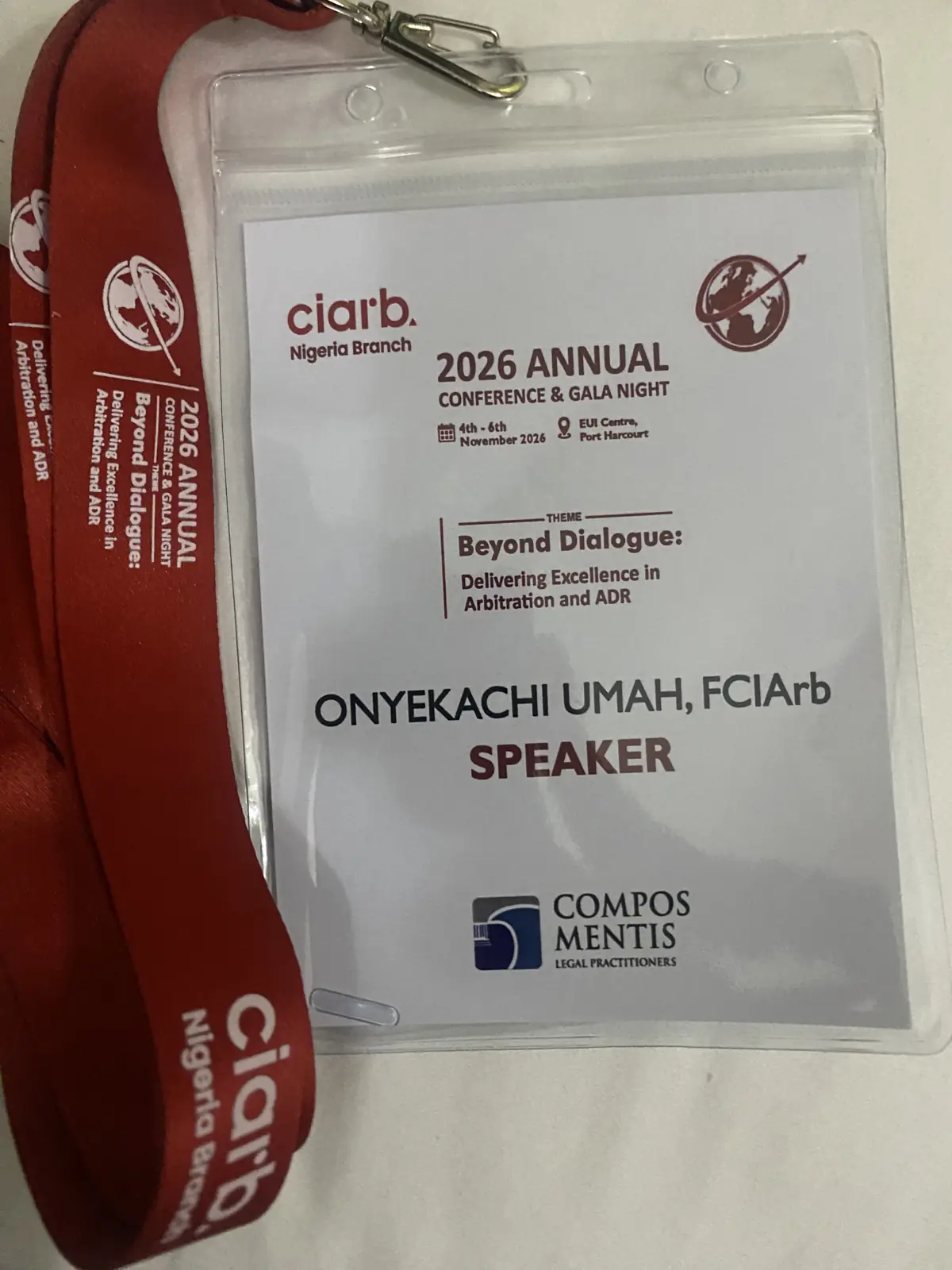
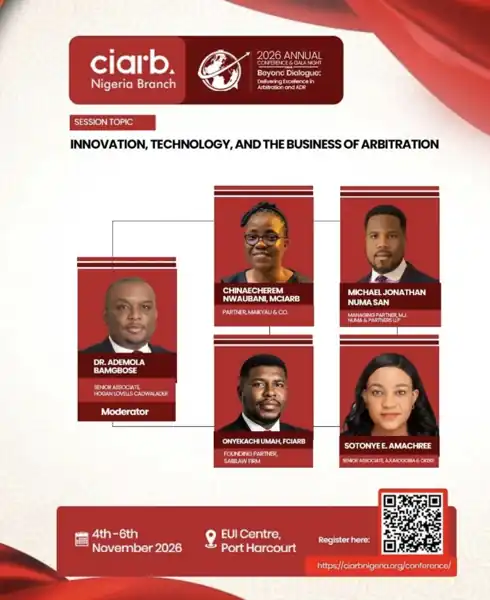
Onyekachi Umah, FCIArb (UK), Managing Partner, SabiLaw Firm and Executive Director, SabiLaw Academy, joined the panel on “Innovation, Technology, and the Business of Arbitration” at the Chartered Institute of Arbitrators (CIArb) Nigeria Branch 2026 Annual Conference & Gala Night, held at the EUI Centre, Port Harcourt, from 4 to 6 November 2026.
The conference theme, “Beyond Dialogue: Delivering Excellence in Arbitration and ADR”, called on practitioners to move from conversation to delivery. The panel took up that challenge by examining how technology and innovation are changing the way arbitration is practised, managed and delivered as a professional service, and what arbitrators, counsel and institutions must do to keep pace.
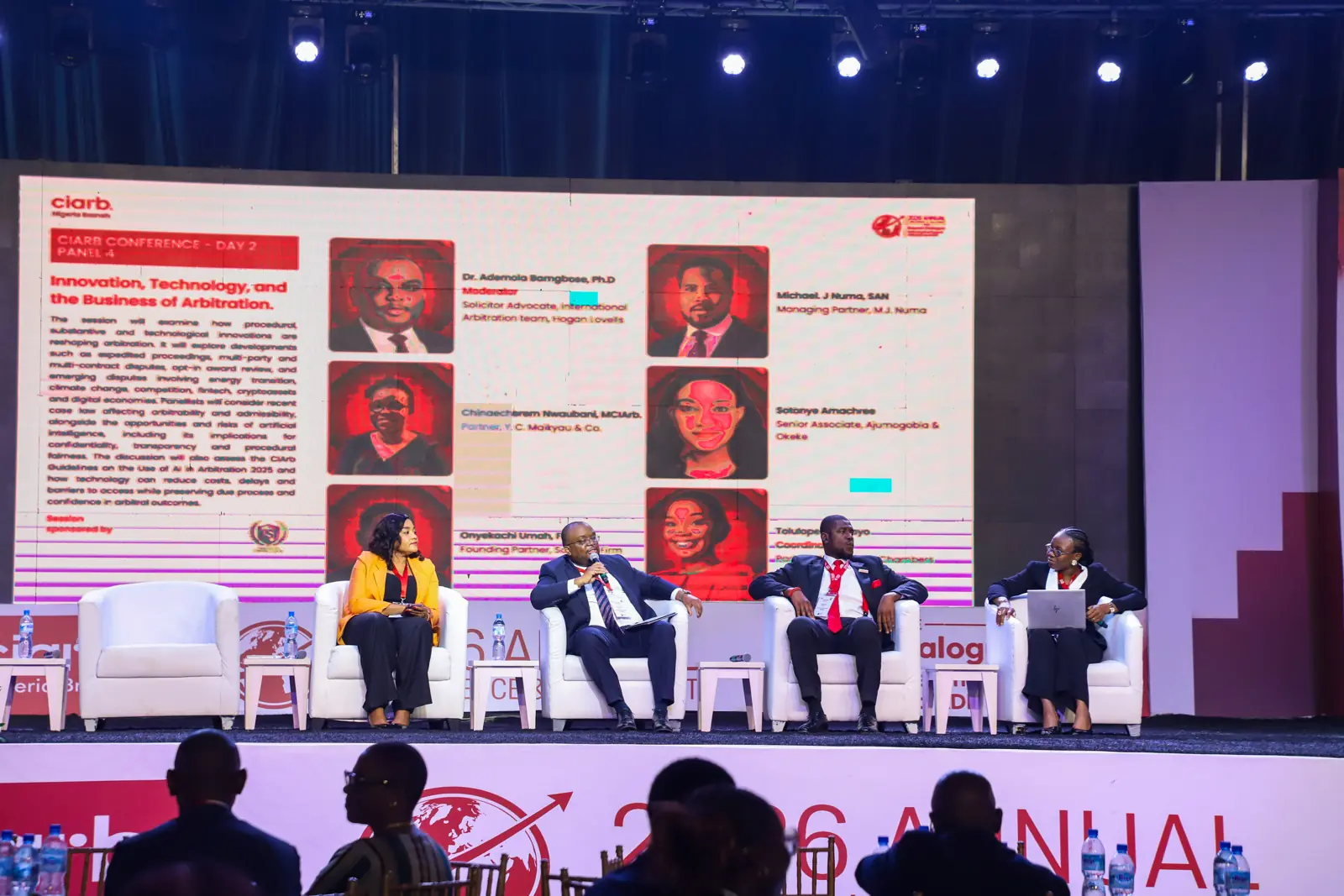
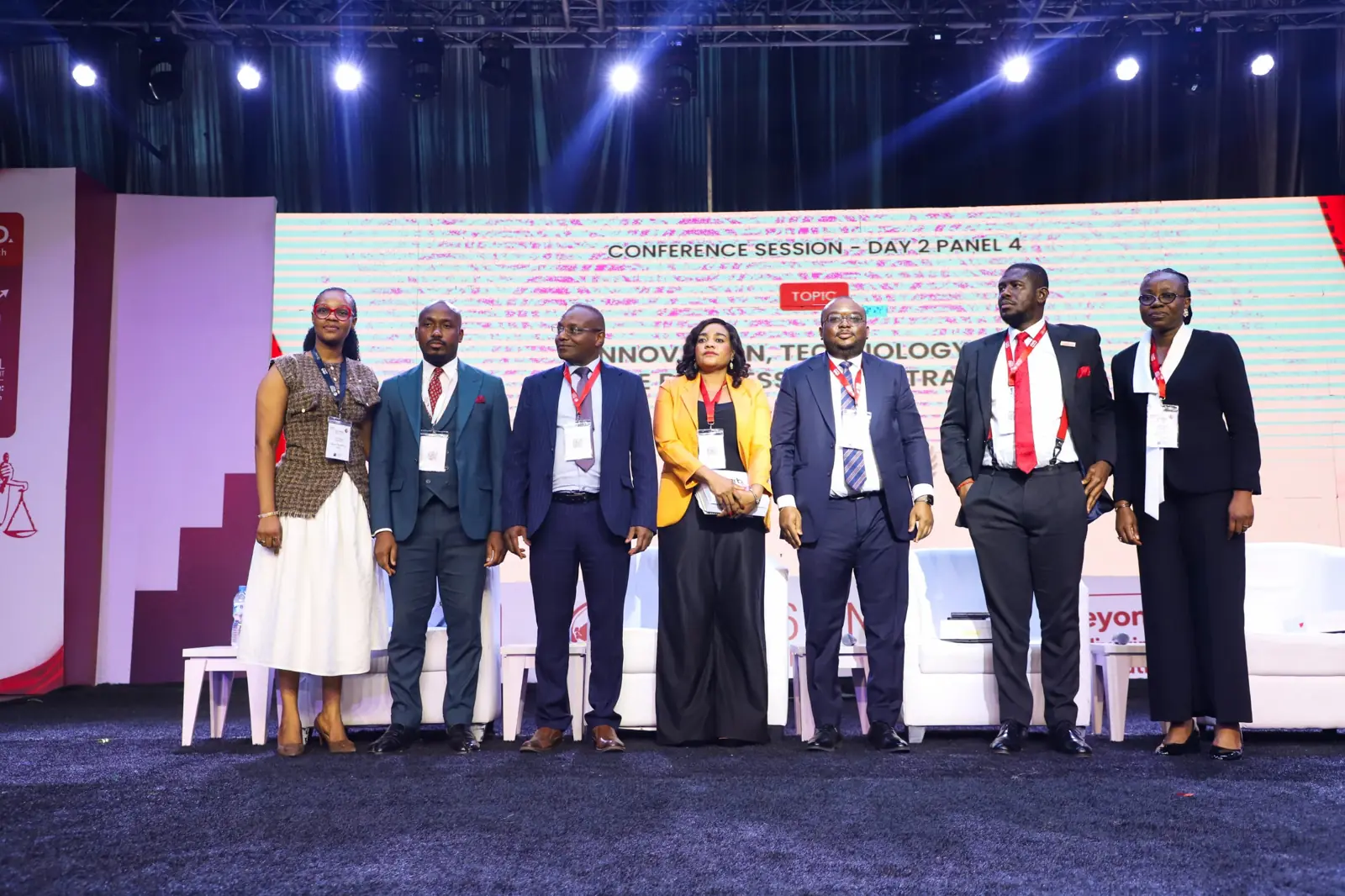
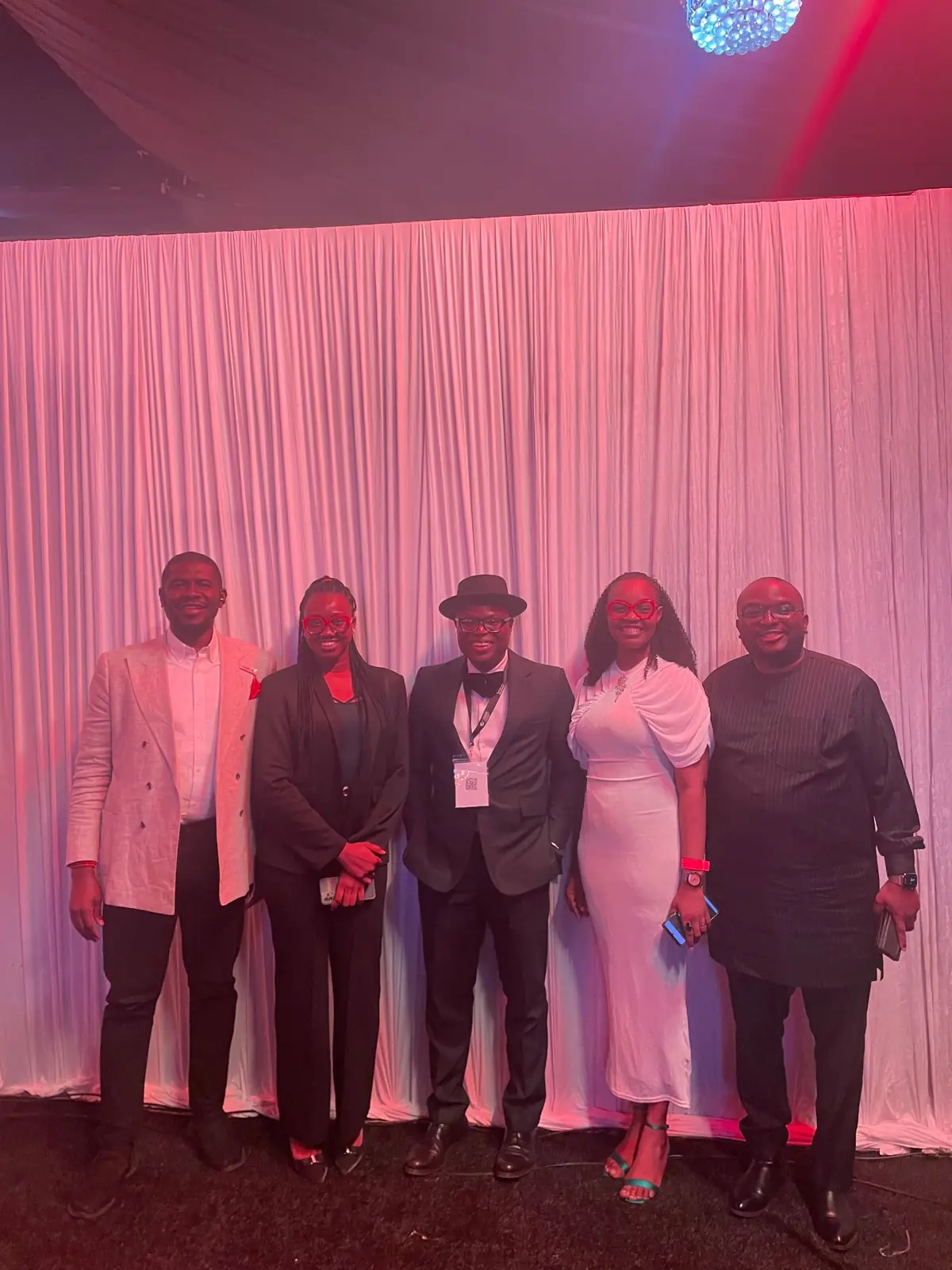
Onyekachi Umah shared the stage with Chinaecherem Nwaubani, MCIArb (Partner, Maikyau & Co.), Michael Jonathan Numa SAN (Managing Partner, M.J. Numa & Partners LLP) and Sotonye E. Amachree (Senior Associate, Ajumogobia & Okeke), in a session moderated by Dr. Ademola Bamgbose (Senior Associate, Hogan Lovells Cadwalader).
We are grateful to CIArb Nigeria Branch for the invitation and for convening a conference that continues to raise the standard of arbitration and ADR practice in Nigeria.
The Award Review Tribunal: confidence, or another layer of cost and delay?
Onyekachi Umah answered the question in two parts: legislatively, yes; procedurally, no.
- Indirect Award Review Tribunal. Section 55(6) of the AMA allows a court, in setting-aside proceedings, to order the tribunal that delivered the award to reconvene and review its own award within a set time, to remedy an issue that could otherwise have been a ground for setting the award aside. In his view, this is the form more likely to be seen in practice in Nigeria.
- Direct Award Review Tribunal. Section 56 of the AMA allows the parties to appoint a fresh tribunal to review an award. The outcome cannot be challenged in court except on the grounds of arbitrability and public policy. He described this as a notable innovation of the AMA.
- Nigeria in global context. Apart from Nigeria, only the Netherlands provides for a second-tier arbitral review in its arbitration law, but the Dutch mechanism is an appeal on the merits (Code of Civil Procedure, arts. 1061b–1061l), unlike Nigeria’s. Among institutions, appellate or review options are offered by the AAA-ICDR, JAMS and ICSID.
- The golden rule. The Award Review Tribunal was designed to keep arbitration-related disputes out of Nigeria’s congested courts. The courts remain congested and the need to avoid them has grown, yet there is no known example of an Award Review Tribunal being used in Nigeria. Onyekachi Umah asked anyone in the hall who had used one to raise a hand or stand. Of more than 400 participants at the 2026 CIArb Conference, no one had.
- Why is it not being used? The arbitration agreement. The review option must be included in the arbitration agreement, and because the AMA was enacted in 2023, contracts signed before then may not provide for it. He argued, however, that because arbitration is party-driven, parties can still agree to an Award Review Tribunal after an award, through a submission agreement, even where their original arbitration agreement is silent.
- Why is it not being used? The rank of Senior Advocate. He asked whether the pursuit of the rank of Senior Advocate of Nigeria may be a factor. Challenging an award in court produces judgments from contested proceedings, which count towards elevation to the rank; a review tribunal’s decision does not. He suggested this could be corrected if work before an Award Review Tribunal were recognised among the criteria for elevation to the rank of Senior Advocate of Nigeria.
Which technologies deliver reliable efficiency now, and which remain unsuitable?
Onyekachi Umah grouped the emerging technologies shaping arbitration into seven:
Seven roles technology now plays in arbitration
He pointed to solutions already in use or development, including OpenLaw, OpenClaw, Kleros, Aragon Court, Jur, Decentraland and The Sandbox.
Machines are already arbitrators
He insisted that technologies and machines are already acting as arbitrators and conducting arbitrations. Arbitration is private and party-driven, so parties may choose any “person” they wish as their arbitrator. The AMA defines an arbitrator as a person to whom a reference (an arbitration matter) is submitted, and the Interpretation Act defines “person” to include natural persons and juristic persons such as corporate bodies. On that basis, he argued, corporate entities such as arbitral institutions, technologies, machines and the entities that own them can lawfully practise arbitration in Nigeria and in most of the world.
This is not a futuristic matter. It is a present-day reality, especially where the subject matter is a virtual or digital asset that needs no physical enforcement or intervention by the courts.
Delocalised awards: the path already exists
He affirmed that the delocalisation theory and the theory of an autonomous arbitral legal order have long opened the way for “stateless” awards, including awards whose seat, and even venue, is on an emerging technology. Such awards are usually called “delocalised” or “anational”: their force does not depend on the law or courts of the seat.
The legal hook is the New York Convention: under art. V(1)(e), a court “may” refuse enforcement of an award set aside at the seat; it is not obliged to refuse. This ties back to the Award Review Tribunal, since the Lagos centre’s draft review rules are not limited to Nigeria-seated awards, which raises the same question of how firmly an award is tied to its seat.
According to Chainalysis data, about $59 billion in cryptocurrency transactions involving Nigeria were recorded between July 2023 and June 2024. He warned that many trained arbitrators who have not embraced technology are unaware of the disputes that may arise from this activity, the remedies available, and the technologies already competing with them in the arbitration market.
Setbacks to watch
The future areas of legal practice
To the final question on future areas of legal practice, Onyekachi Umah postulated that the law practice of the future will focus on:
The panel
Inducted as a Fellow of CIArb
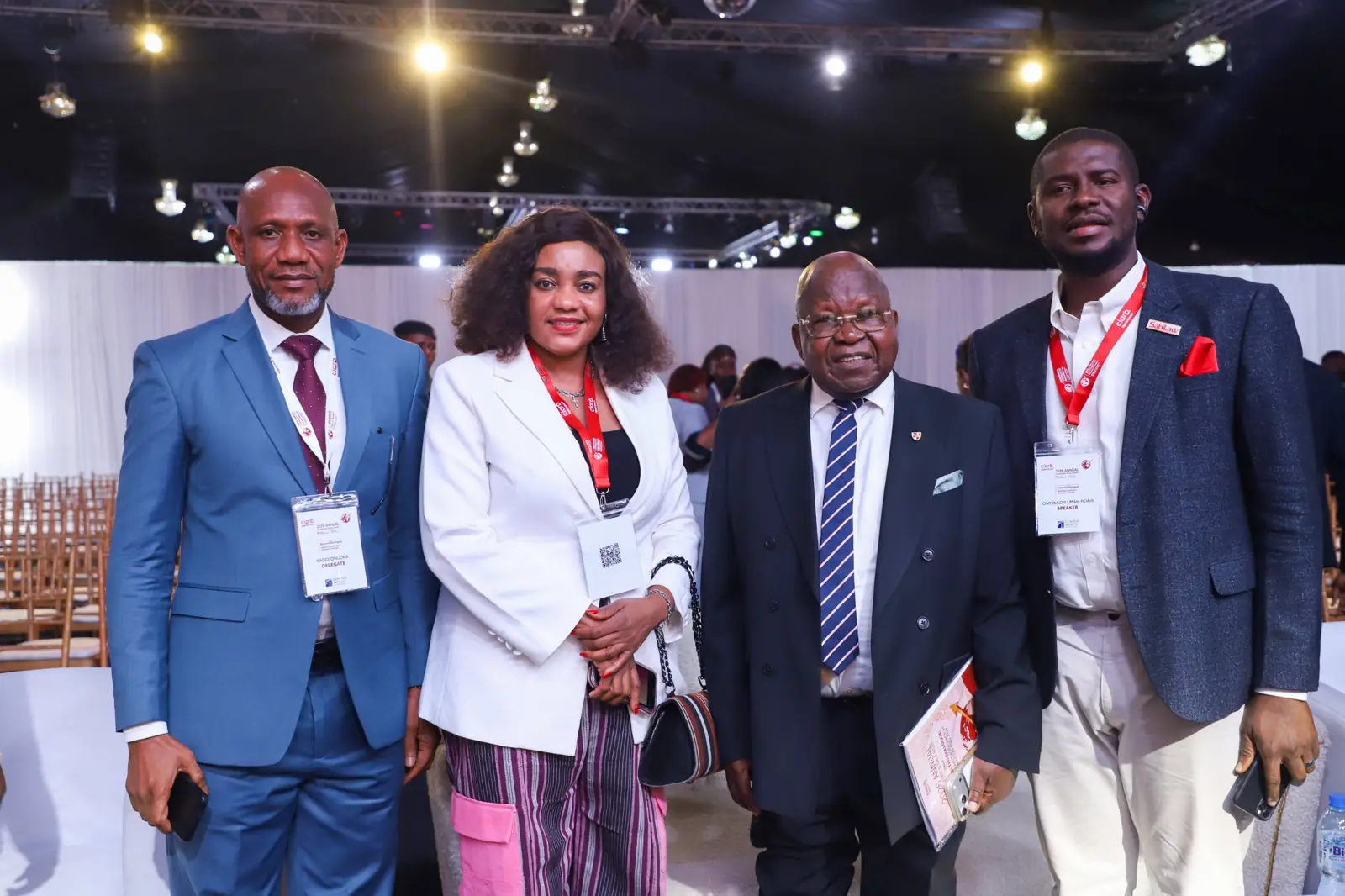
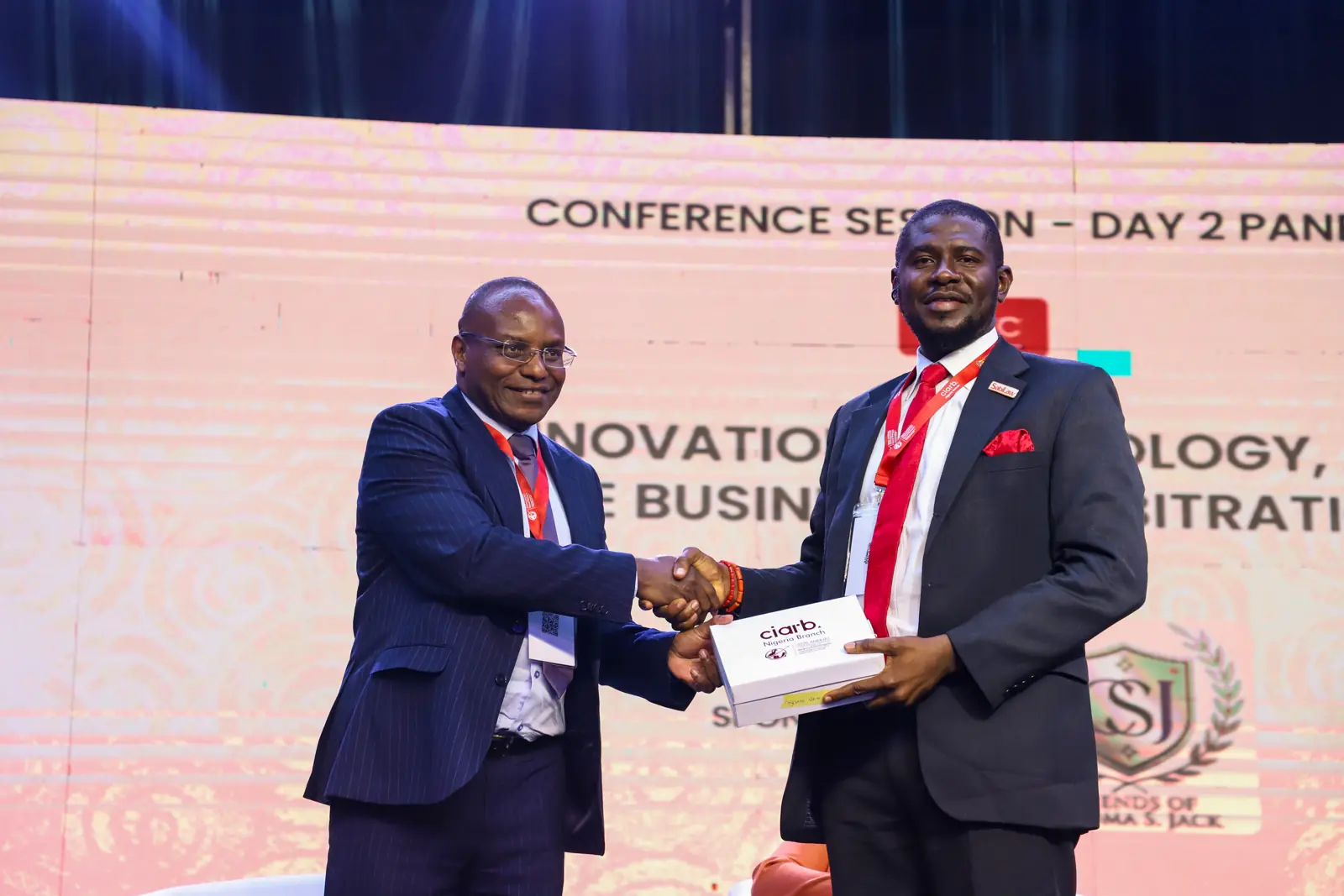
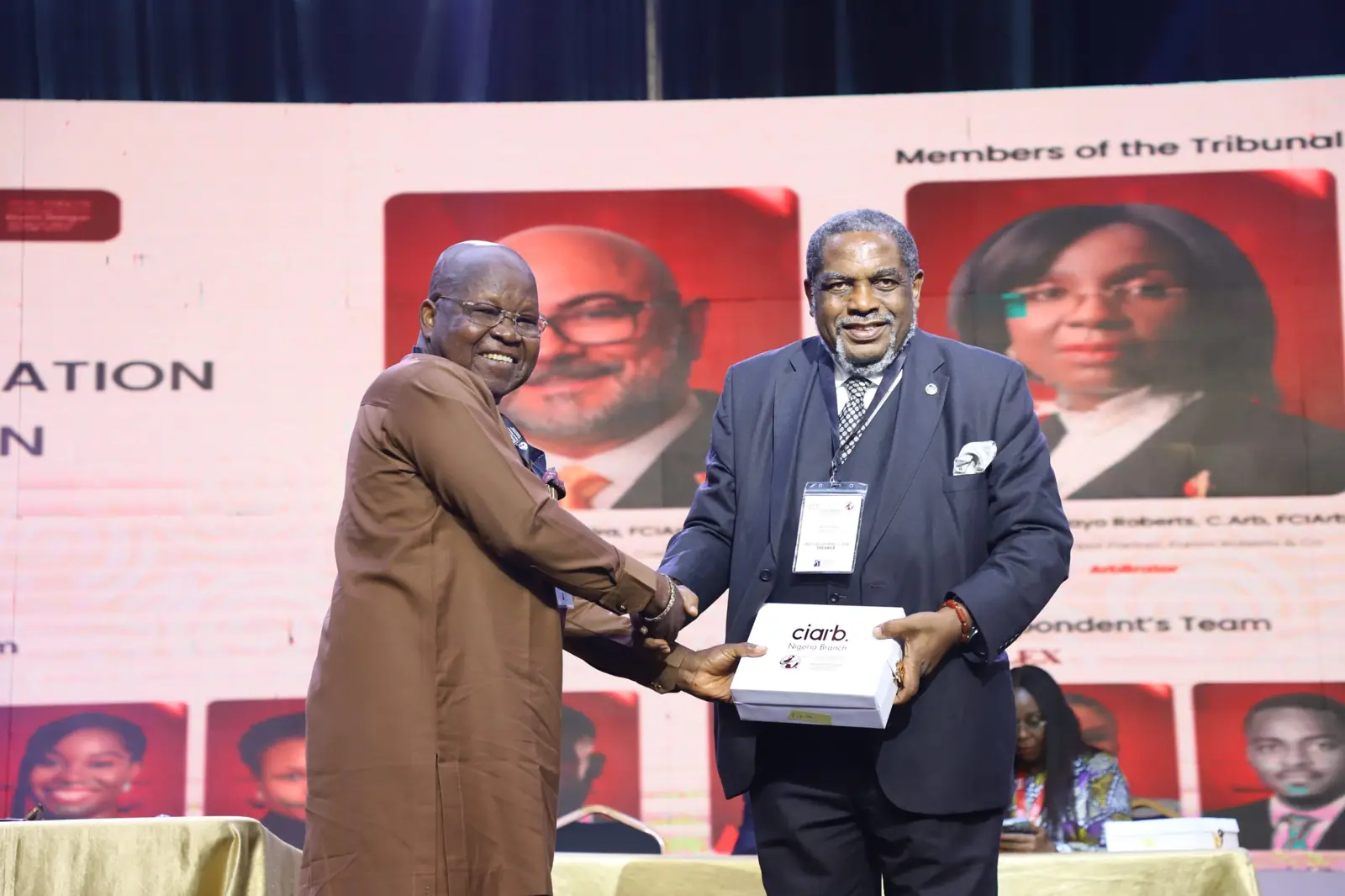
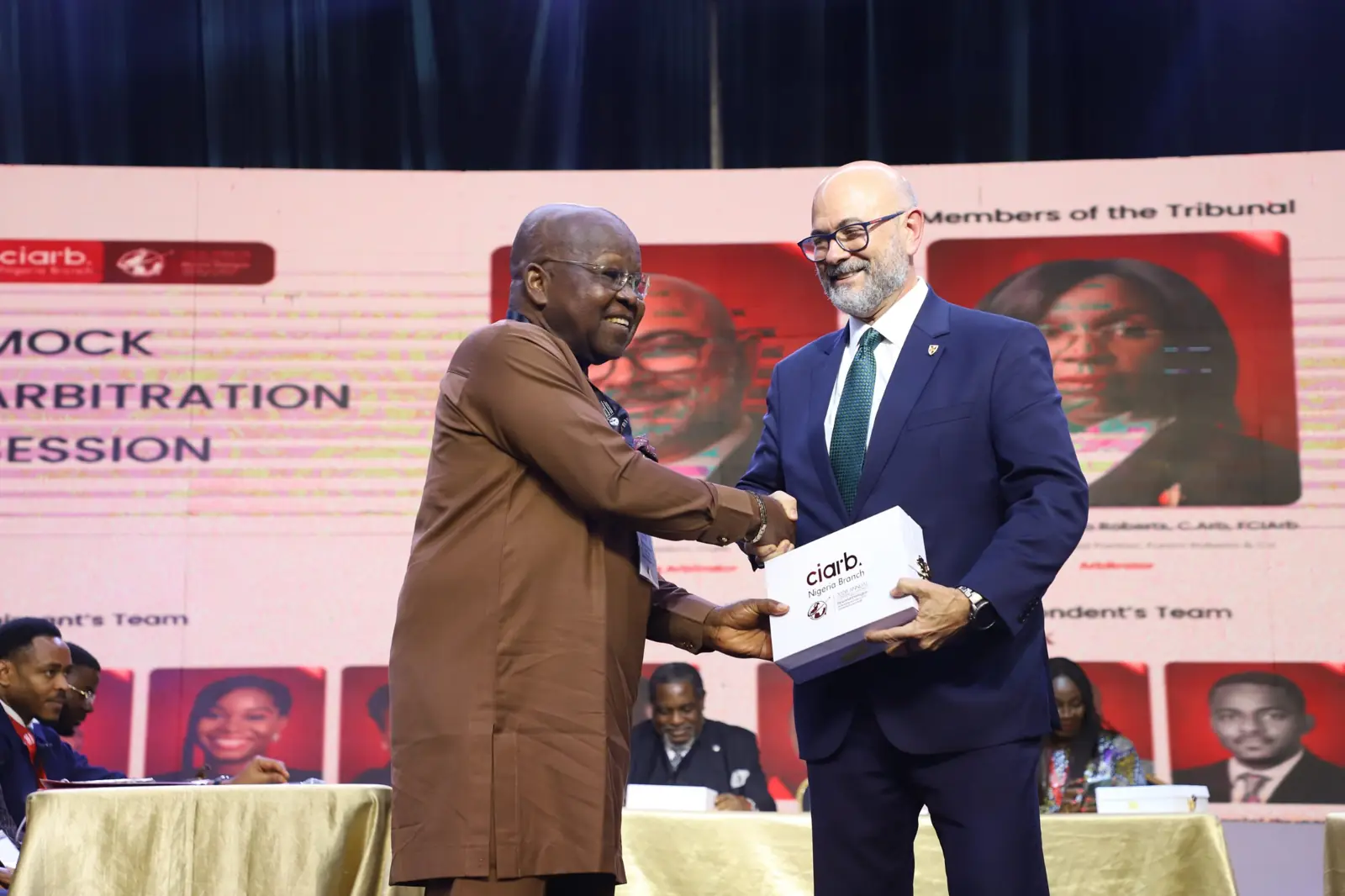
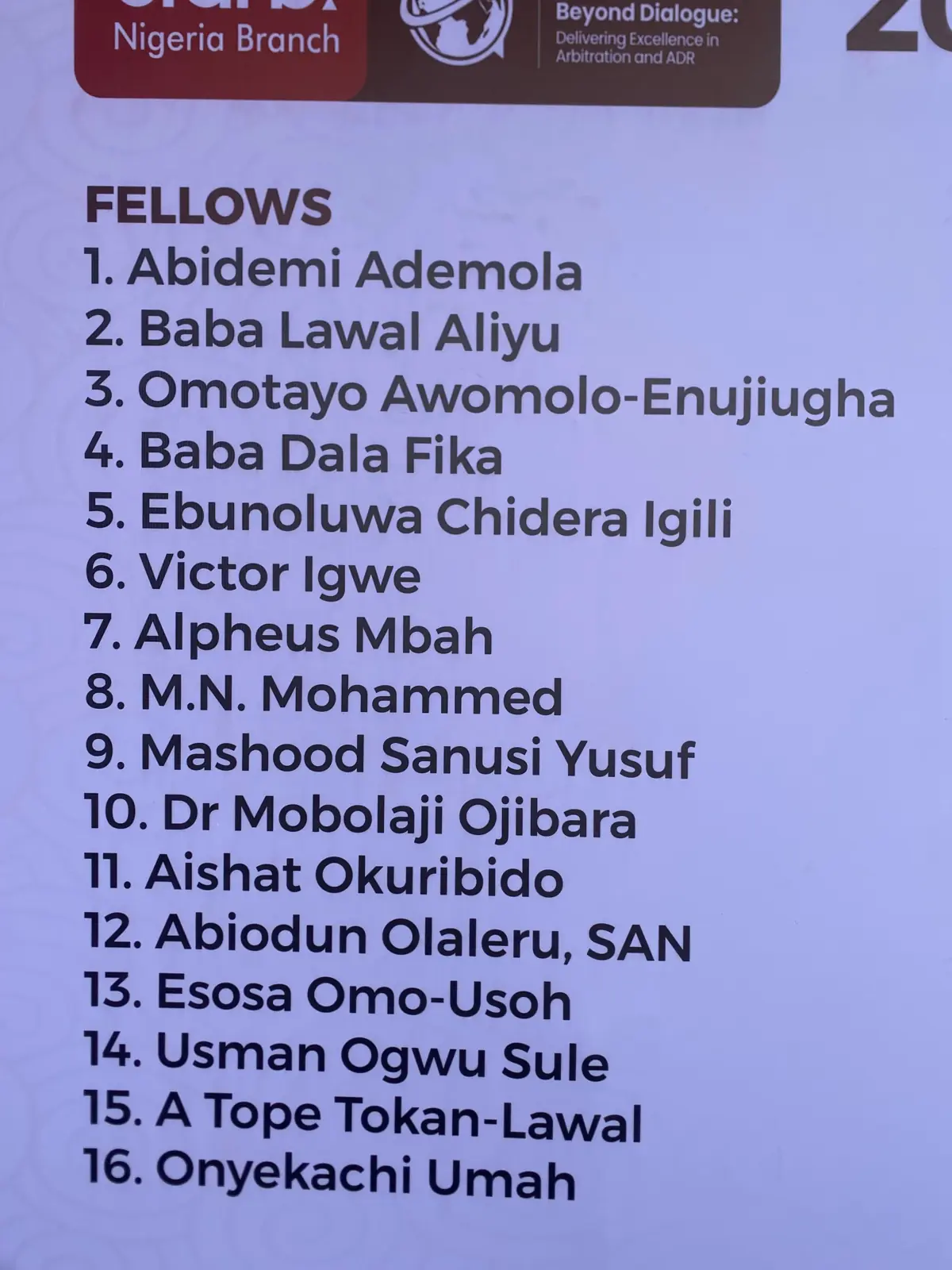
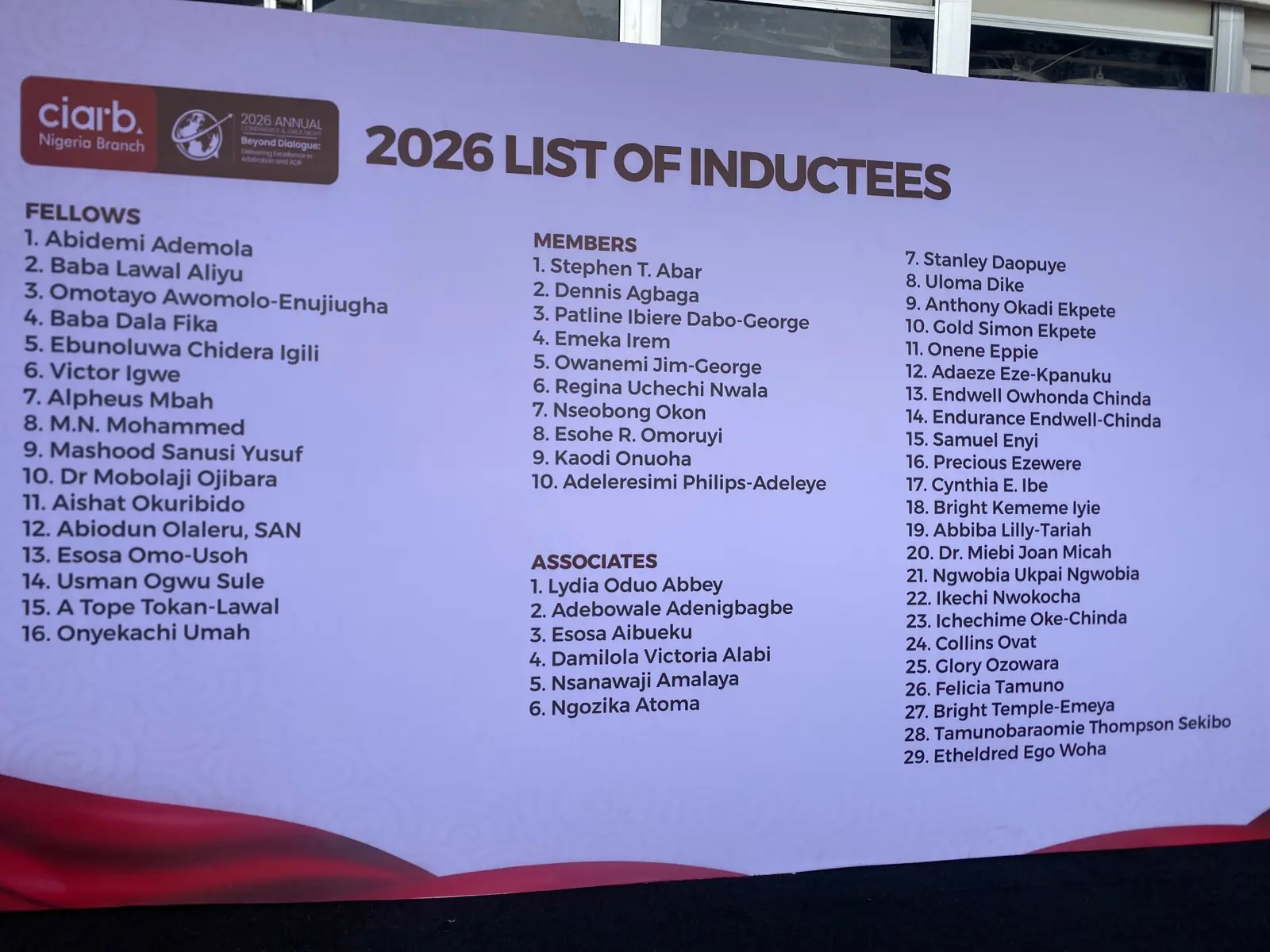
The conference was also a personal milestone: Onyekachi Umah was listed among the 2026 inductees as a Fellow of the Chartered Institute of Arbitrators (FCIArb) and inducted on 4th November 2026, having been a Fellow since December 2025.
Thank you to CIArb Nigeria Branch
We thank CIArb Nigeria Branch, the moderator and fellow panellists for a rich conversation on the future of arbitration practice.
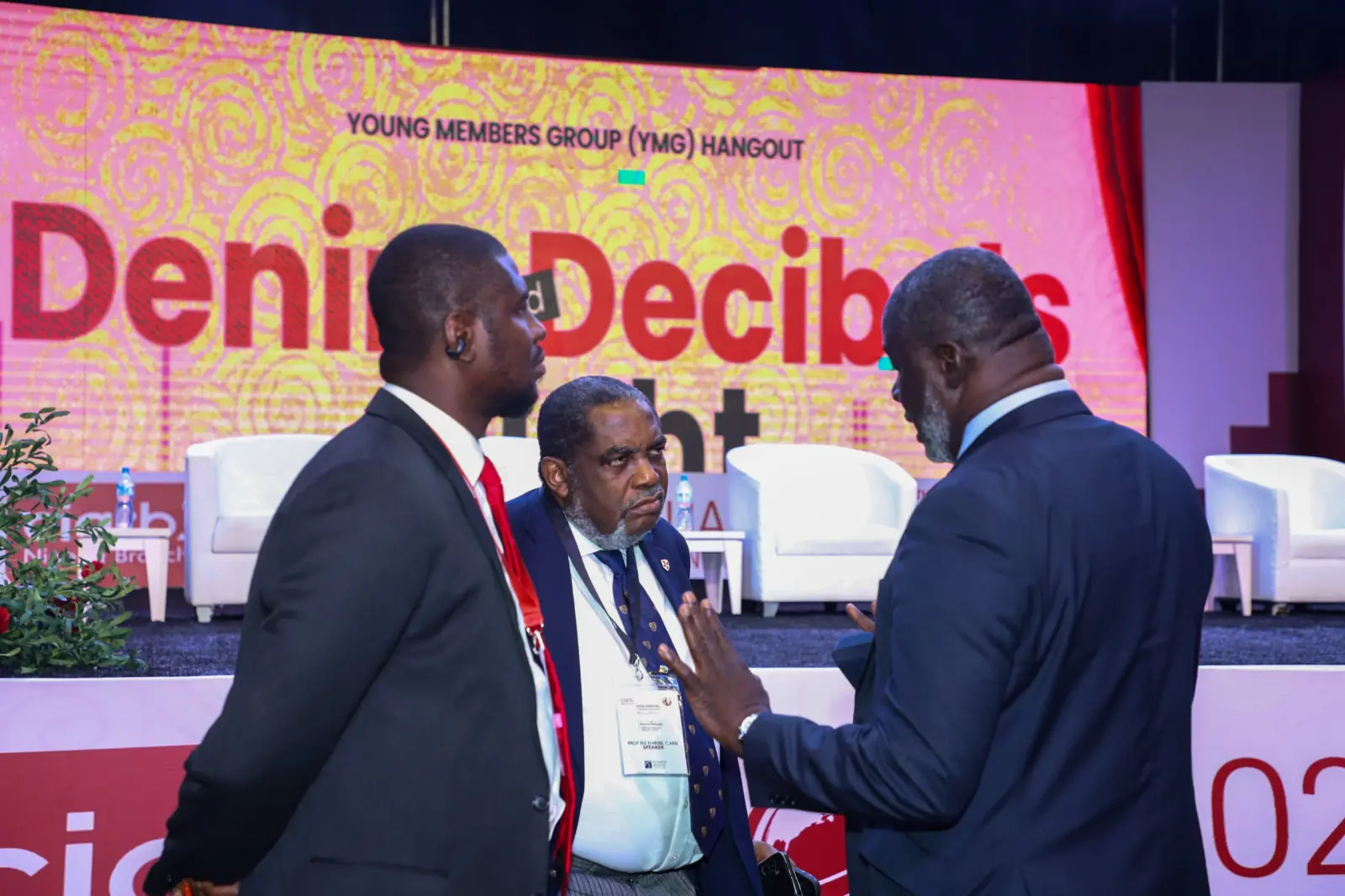
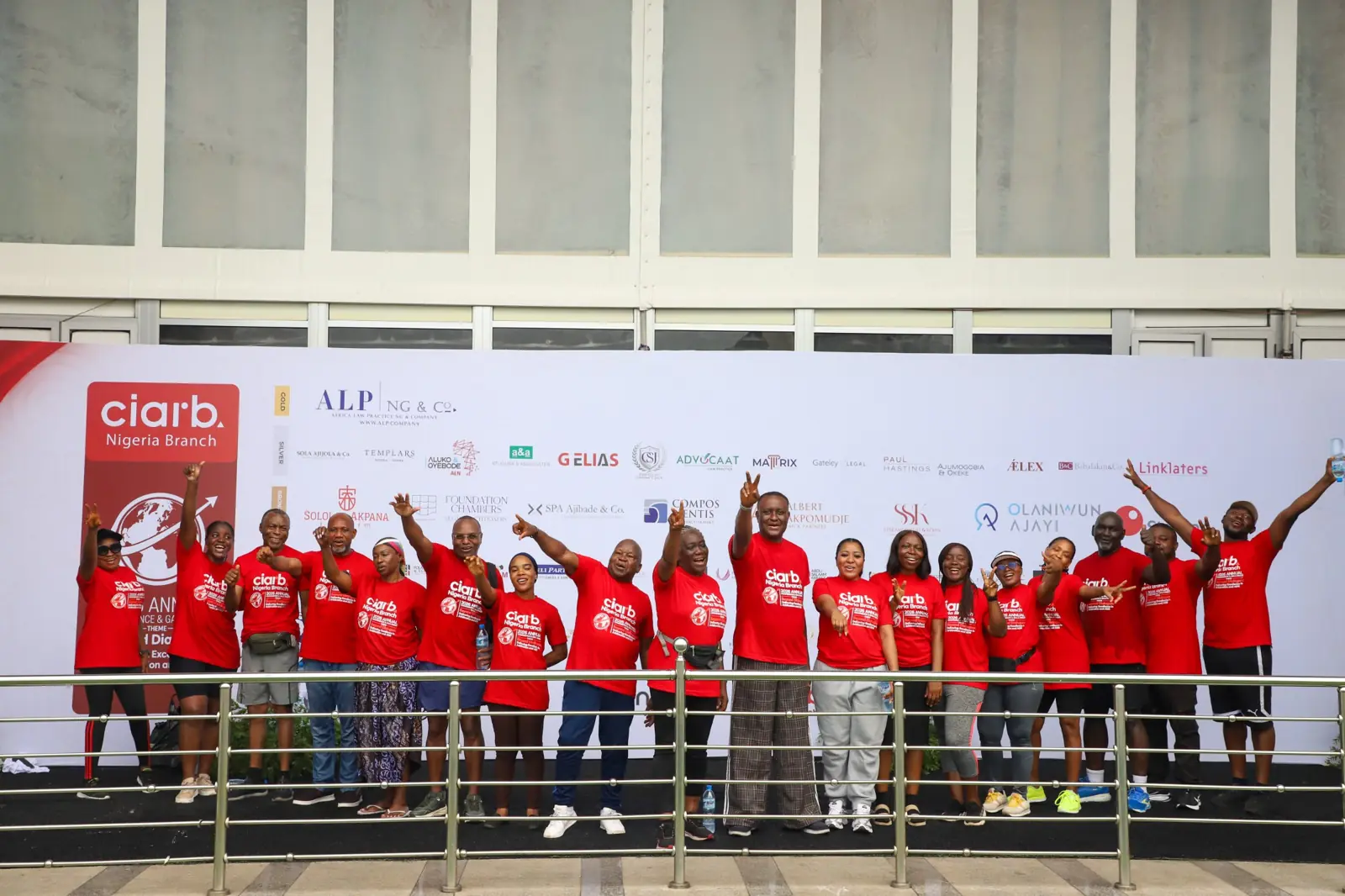
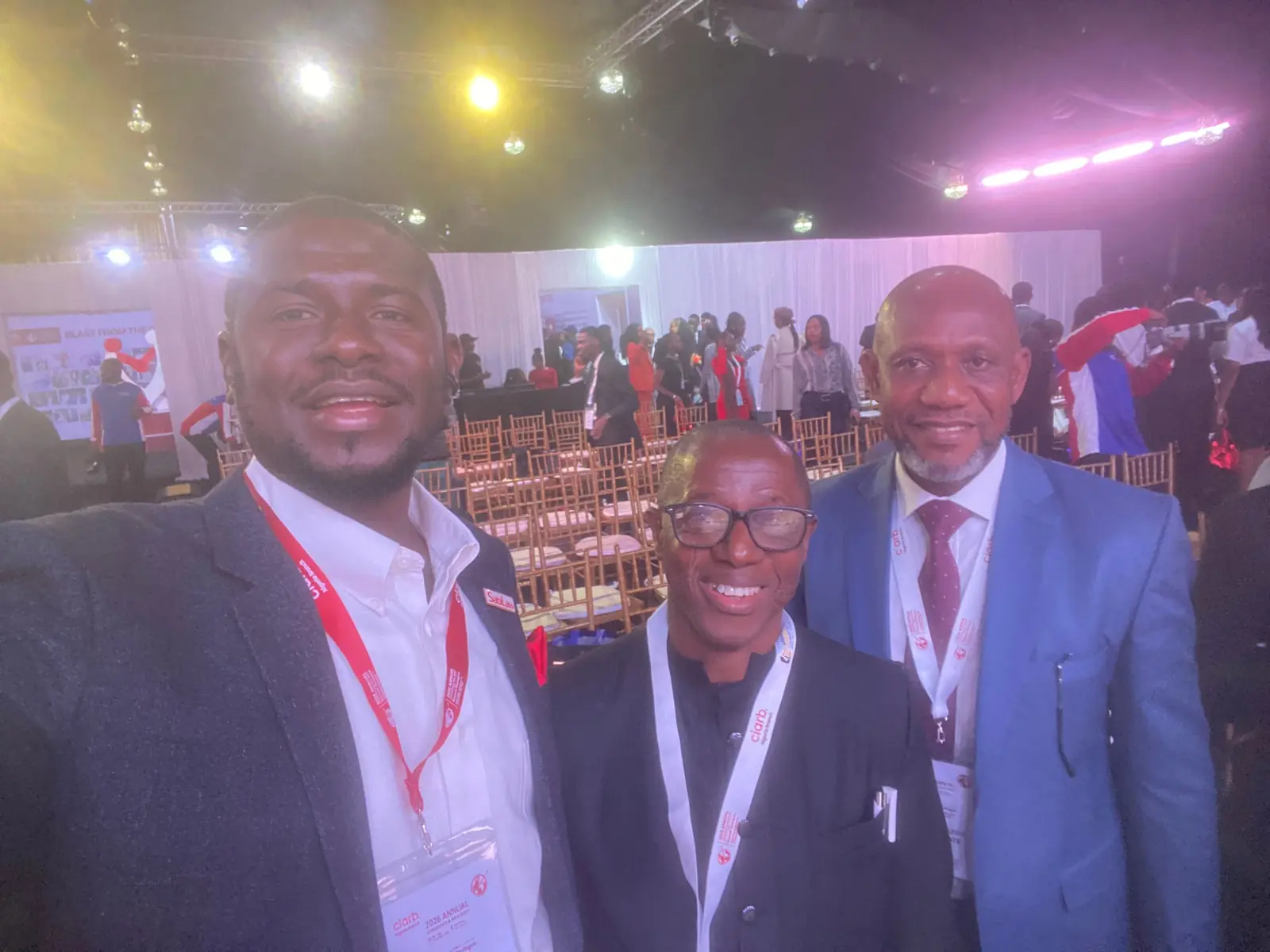
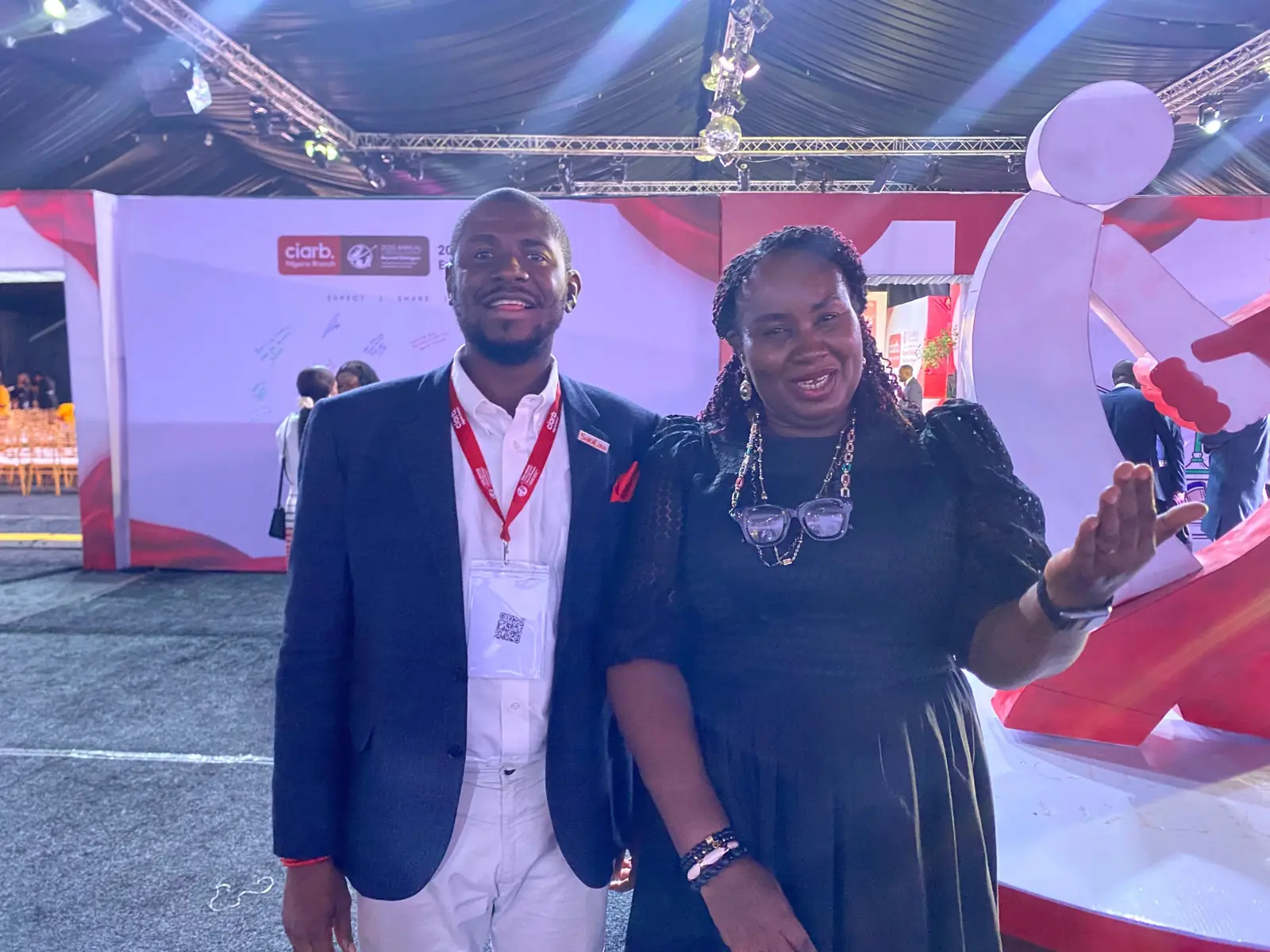
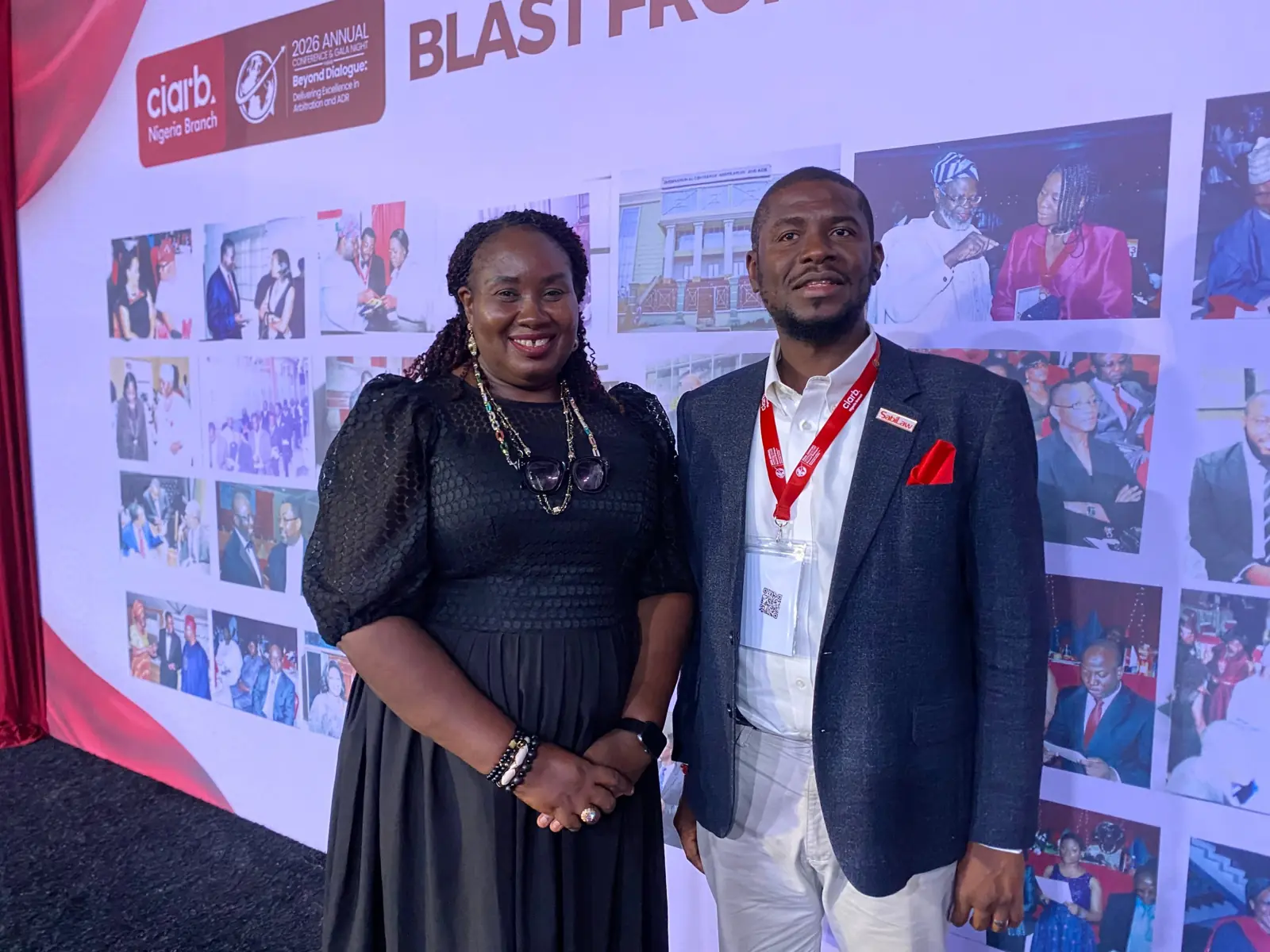
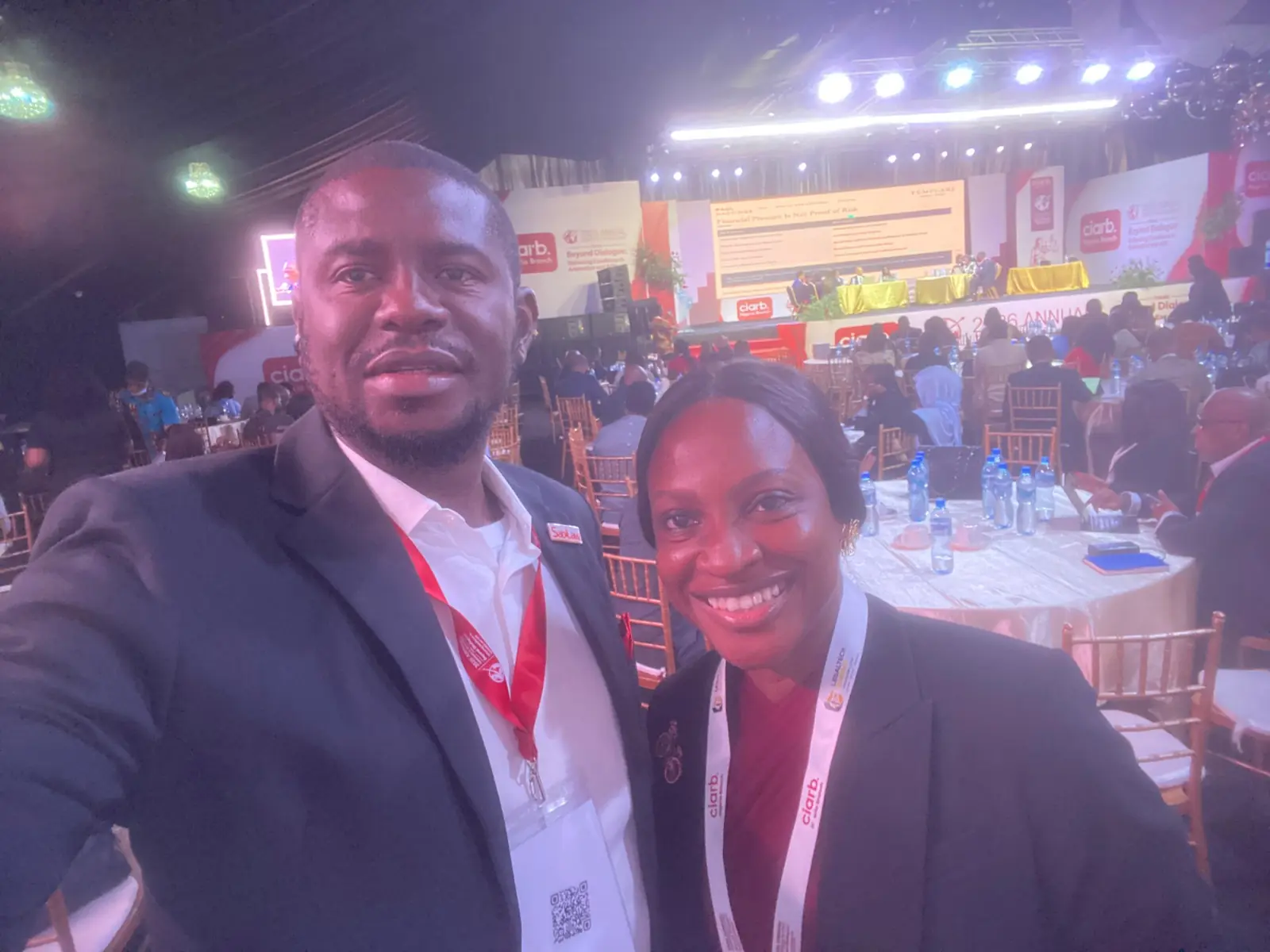
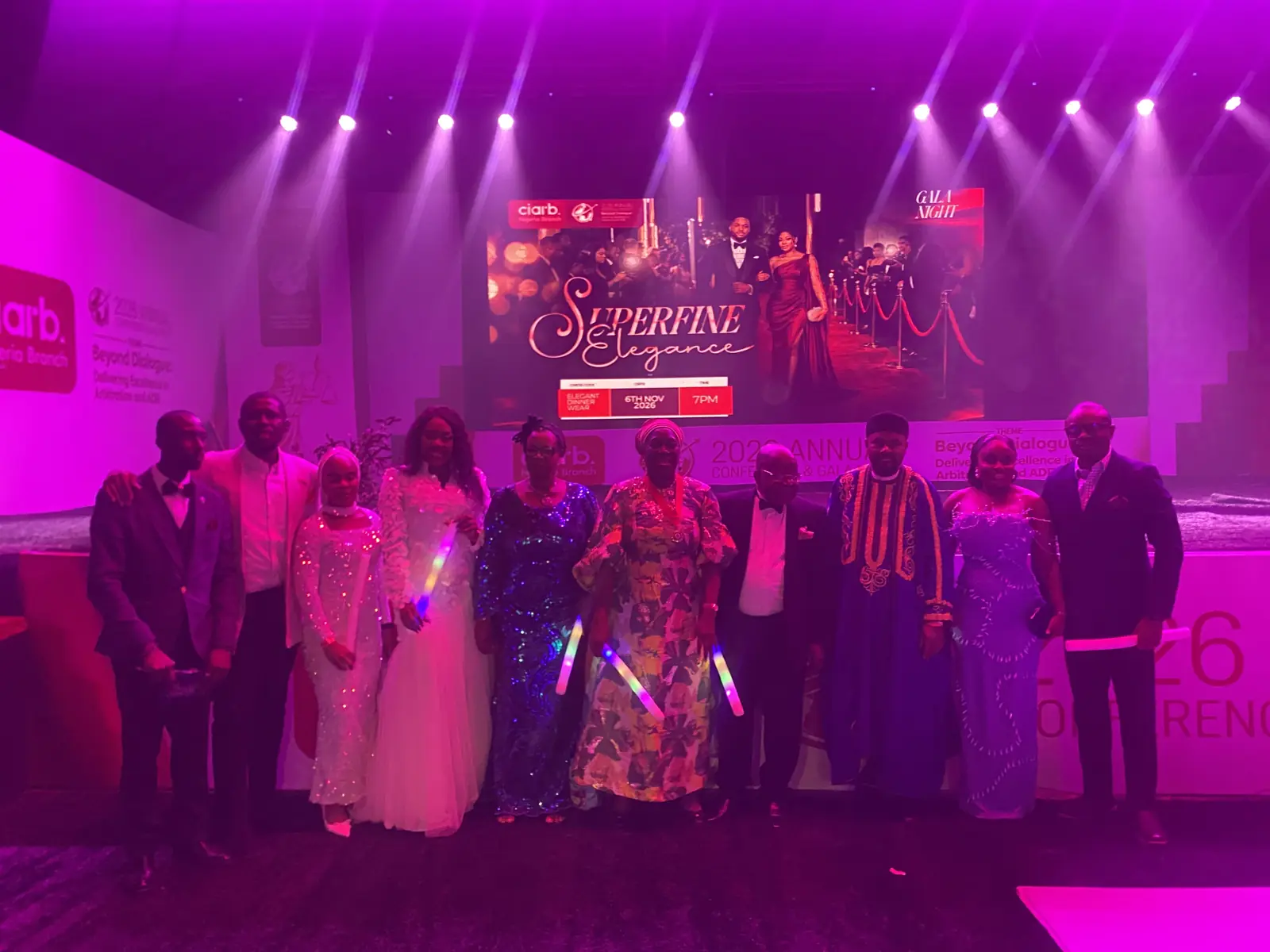
Photos from the conference